
Things to consider when planning a kitchen remodel: Essential tips for a smooth renovation
Ready to give your kitchen a fresh look? A kitchen remodel can breathe new life into your home. But before you start tearing down walls there's a lot to think about.
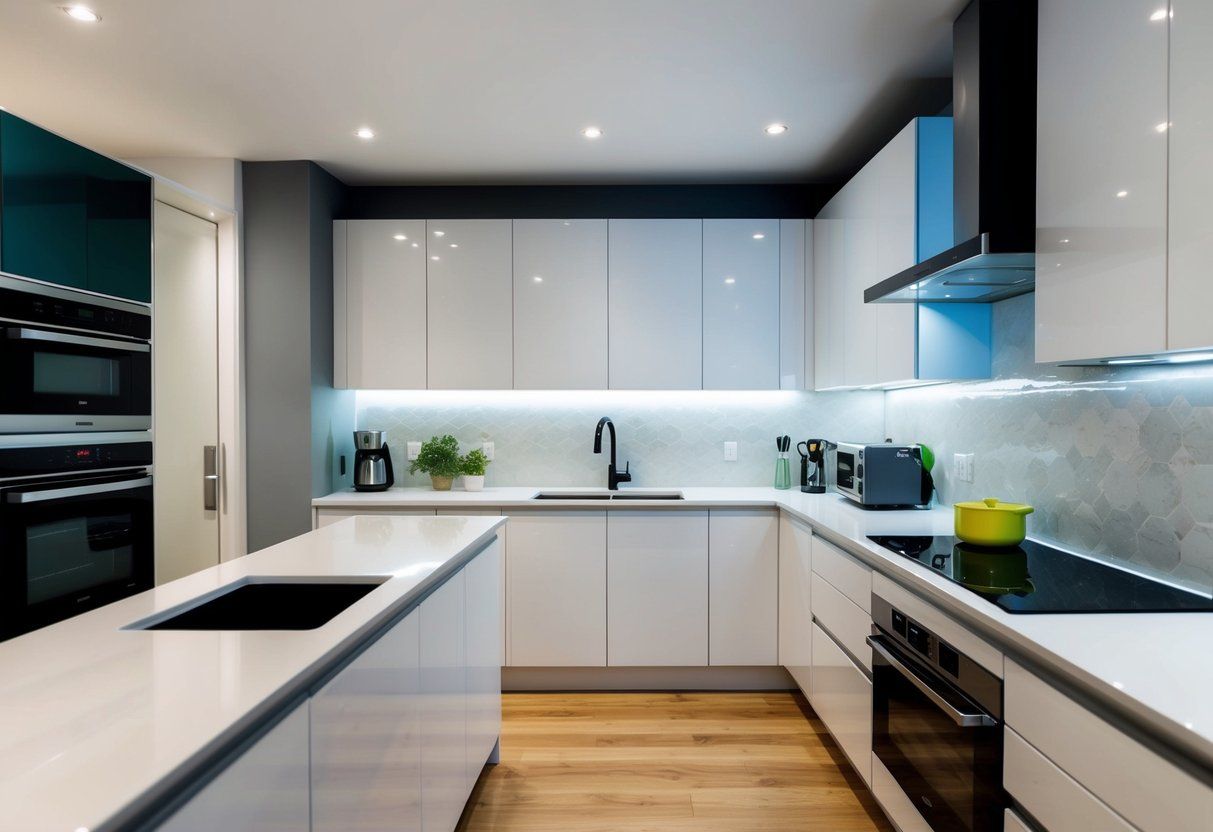
You need to plan your kitchen layout carefully to make the most of your space. Think about how you use your kitchen. Do you cook alone or with others? Do you like to entertain? Answers to these questions will help you decide on your design.
Money matters too. Set a budget and stick to it. Kitchen remodels can cost anywhere from $14,600 to $41,485 depending on what you want to do. Don't forget to save some cash for surprises that pop up along the way.
Designing Your Dream Kitchen
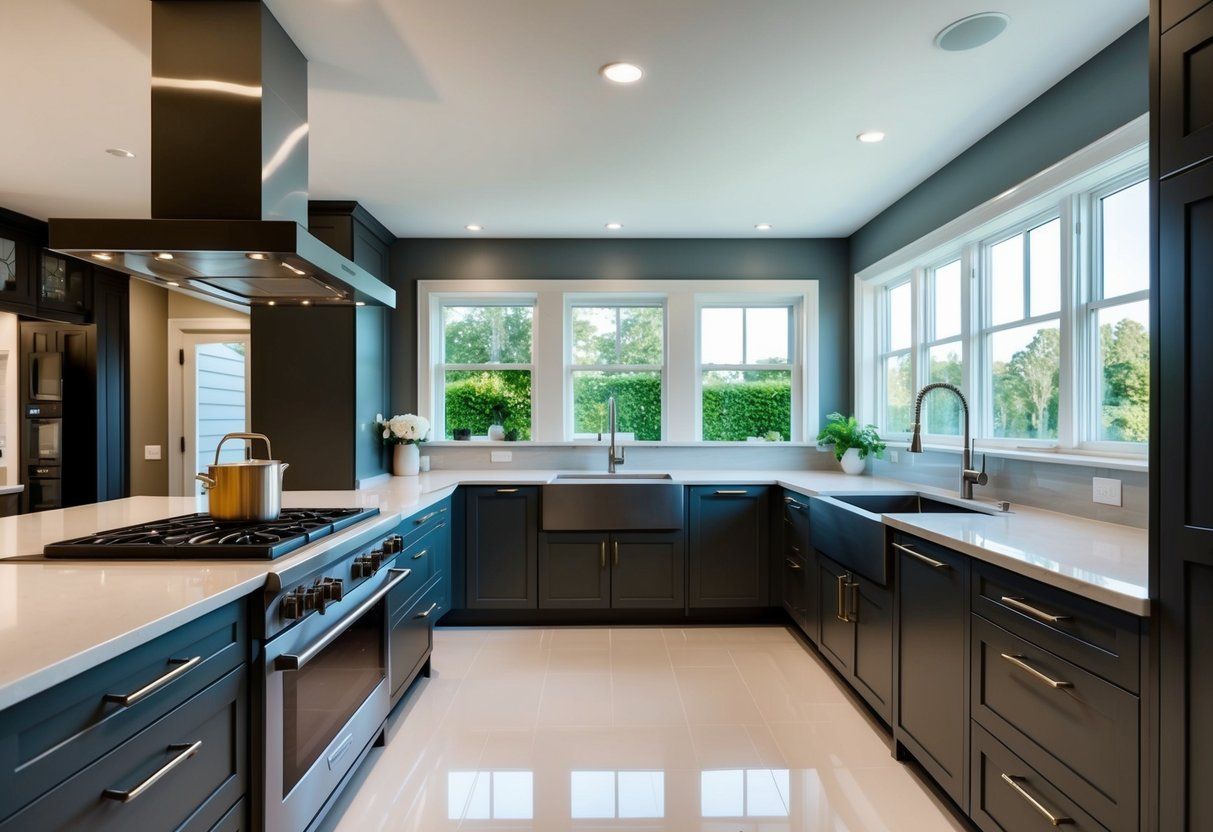
Planning your dream kitchen is exciting. You'll make choices about layout, colors, and features that shape how you use this space every day.
Determining Kitchen Layout
Your kitchen layout sets the stage for everything else. The work triangle connects your sink, stove, and fridge. This should flow smoothly.
Think about how you move in the kitchen. Do you need wide aisles? Extra prep space? Paths should be at least 36 inches wide. This lets you move easily.
Consider these popular layouts:
- L-shaped
- U-shaped
- Galley
- Open concept
Each has pros and cons. L-shaped works well in small spaces. U-shaped gives lots of storage. Galley is efficient but can feel cramped. Open concept is great for entertaining.
Selecting Color Schemes and Materials
Colors and materials set the mood of your kitchen. Light colors make spaces feel bigger and dark colors give you that punchy look.
Popular material choices include:
- Wood
- Stone
- Tile
- Stainless steel
Mix and match for interest. Maybe wood cabinets with stone counters. Or tile backsplash with stainless appliances.
Think about durability too. Floors take a beating so you want materials that can handle spills and foot traffic. Easy-to-clean surfaces save time later as well.
Considering Cabinets and Countertops
Cabinets and counters are the workhorses of your kitchen. They need to look good and function well.
For cabinets, decide between:
- Custom: Pricey but fit perfectly
- Semi-custom: More options than stock
- Stock: Affordable and quick to install
Countertop options include:
- Granite: Durable and heat-resistant
- Quartz: Low maintenance
- Butcher block: Warm look but needs care
- Laminate: Budget-friendly
Don't skimp on storage. Add pullouts, lazy Susans, and deep drawers. These make your space more useful.
Incorporating Kitchen Islands and Appliances
A kitchen island can be a game-changer if you are looking for prep space and storage. You can even add extra seating to give you that casual dining spot.
When picking appliances, think about...
- Size: Will they fit your space?
- Features: What do you really need?
- Energy efficiency: Saves money long-term
Consider a pot filler near your stove. This handy faucet makes filling large pots easy.
Don't forget about your daily use appliances. Plan out spots for your coffee maker, toaster, and mixer. Built-in charging stations keep devices handy but out of the way.
Practical Aspects of Kitchen Remodeling
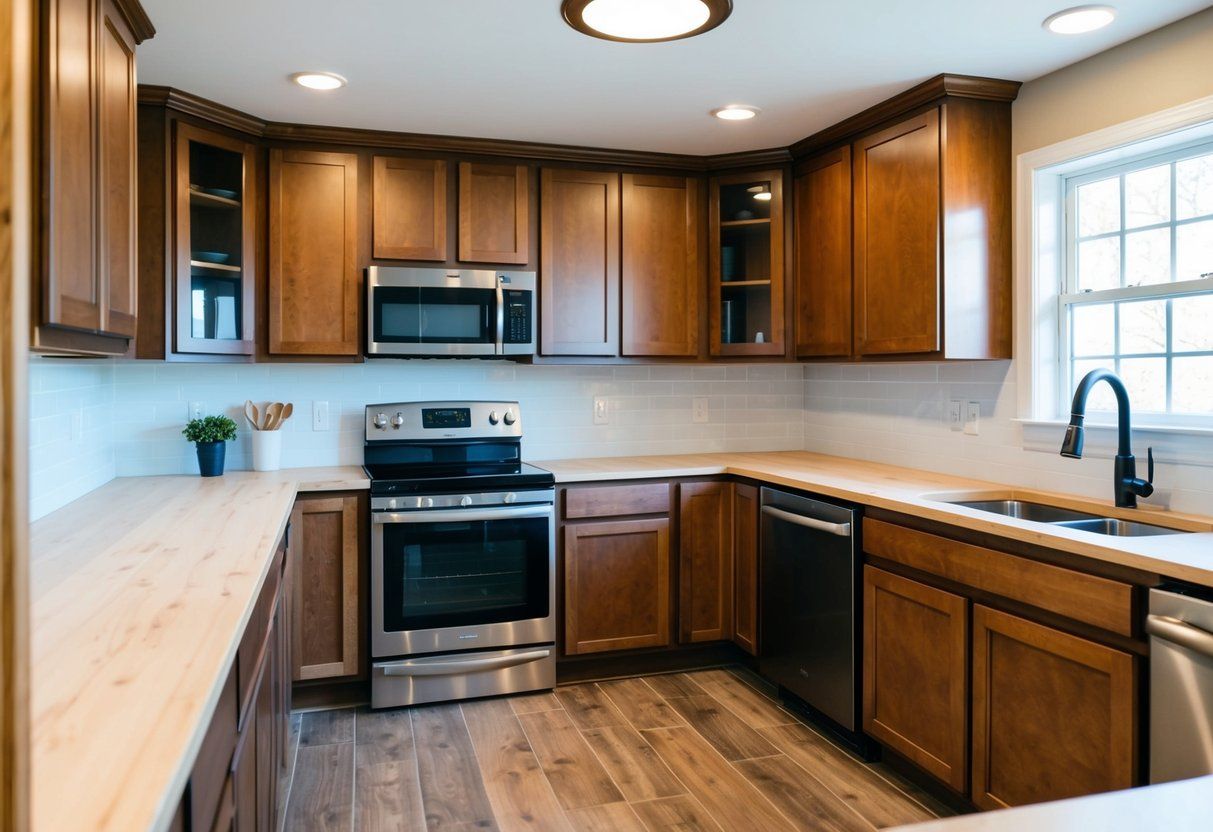
A kitchen remodel involves many practical considerations. These include creating a functional layout, addressing technical needs, setting up a temporary cooking space, and working with professionals.
Maximizing Functionality and Flow
Your kitchen's layout affects how you move about and work within the space. Think about your daily routines and cooking habits. Ideally you want to place your fridge, stove, and sink in a triangle for easy access. This is called the "work triangle" in kitchen design.
Consider adding an island for extra prep space and seating. But make sure there's enough room to move around it comfortably. Aim for at least 36 inches of clearance on all sides.
Storage is key in a functional kitchen. Plan for plenty of cabinets and drawers. Deep drawers are great for pots and pans. Pull-out organizers can help you reach items in corner cabinets.
Traffic flow is important too. Keep main pathways clear of obstacles. If you have kids, create a designated spot for them to hang out without getting in the way.
Lighting, Electrical, and Plumbing Considerations
Good lighting is crucial in a kitchen. Use a mix of light sources:
- Task lighting under cabinets
- Pendant lights over islands
- Recessed lights in the ceiling
Don't forget about natural light. If possible, add or enlarge windows to brighten the space.
Electrical outlets are another key factor. Install plenty of them along the countertops. You'll need them for small appliances and charging devices.
Plumbing changes can be costly. Try to keep your sink and dishwasher in their current locations. If you must move them, be prepared for extra expenses.
Consider adding a pot filler faucet near your stove. It's a handy feature for filling large pots without carrying them across the kitchen.
Setting Up a Temporary Kitchen
A kitchen remodel can take weeks or months. You'll need a temporary setup to cook and eat during this time.
Choose a spot in your home for a makeshift kitchen. A spare room or corner of the living room can work well. Set up a table for food prep and eating.
Move your fridge to this area if possible. If not, a mini-fridge can be helpful. Bring in small appliances like a microwave, toaster oven, and electric kettle.
Stock up on paper plates and disposable utensils to reduce washing. A large cooler can serve as extra cold storage. Plan simple meals that don't require much cooking or cleanup.
Working with Contractors and Designers
Hiring professionals can make your remodel smoother. An interior designer or kitchen designer can help you create a cohesive look and functional layout.
When choosing a contractor, get multiple bids. Ask for references and check their previous work. Make sure they're licensed and insured.
Communication is key. Make it a point to hold regular meetings with your contracting team to stay updated on progress. Be crystal clear about your expectations and budget from the very start so there's no confusion at any time!
Lastly, don't forget about permits! Your contractor (if they are competent) should handle this but it's good to be aware. Building permits are usually required for major changes like moving walls or plumbing.