
What is the most expensive part of a remodel? You might be surprised
Thinking about
giving your home a makeover? You might wonder which parts of a remodel will take the biggest bite out of your budget. Let's dive into the priciest aspects of home improvements.
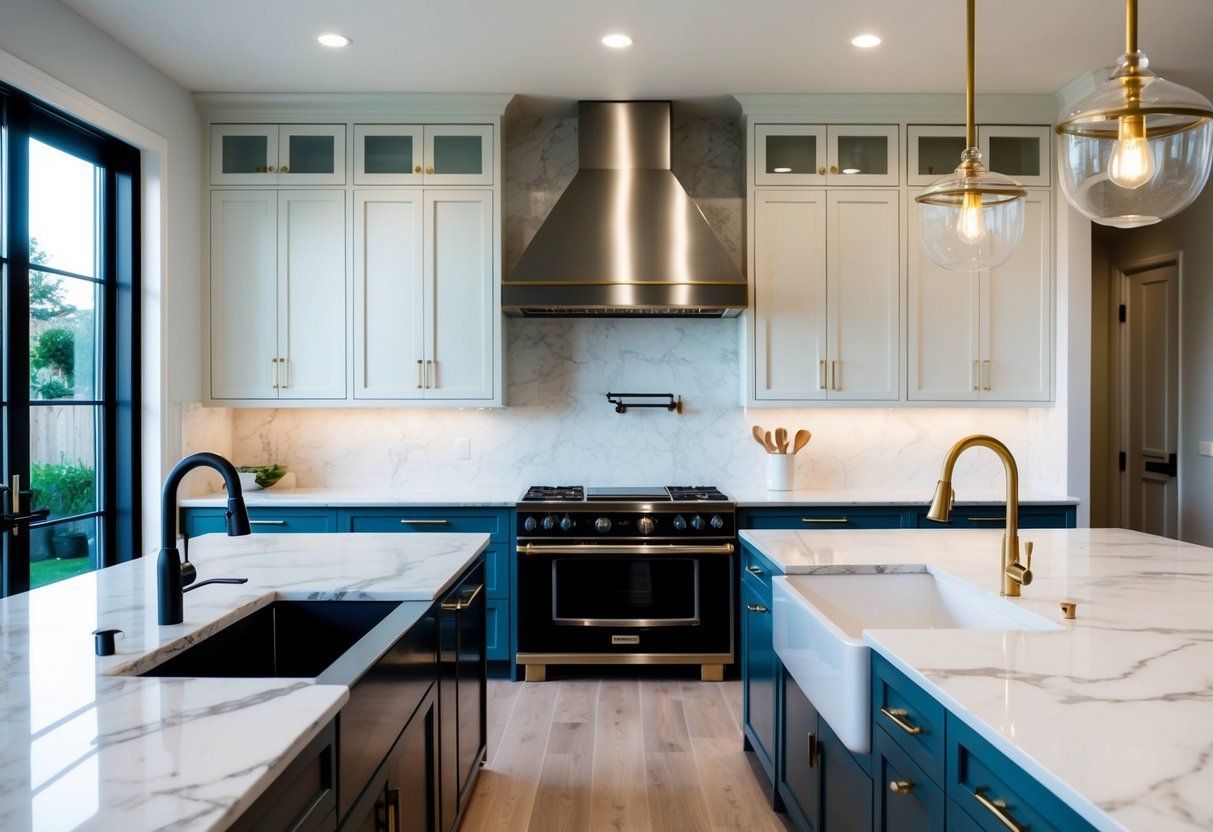
The kitchen is typically the most expensive room to renovate, with cabinets being the biggest cost. These can eat up to 29% of your total kitchen budget. It's no surprise when you consider all the custom work and materials involved in creating beautiful storage spaces.
After kitchens, bathrooms are the second most costly area of your home to update. Costs can add up fast with plumbing fixtures and tile work to cabinet work that may be required. But don't let that scare you off! Smart planning can help you balance your dreams with your wallet. Remember that energy-efficient upgrades might cost more upfront but can save you money in the long run.
Major Cost Drivers in a Remodel

What you pick for your remodel affects the price a lot. Cheap materials can save money. But they might not last as long.
Cabinets are a big part of kitchen costs. Stock cabinets are cheaper. Custom ones cost way more.
The prices of countertops can also be significantly different based on your selection.. Laminate is budget-friendly. Granite or quartz cost more but look great.
Appliances can also be another big expense. If you can forego the latest tech, then basic models work just fine. High-end ones obviously have the bells and whistles but cost more.
Flooring prices change based on what you choose. If you're looking for something serviceable yet cheap, then vinyl is a fine option. High-end, more durable material like hardwood or tile do cost more.
While permits may be required depending on the type of work you need, they usually don't involve any costs and can be obtained through the contractor you're working with.
Scaling the Project Scope
The size of your project matters. A small update costs less than a full redo.
Moving walls or plumbing raises the price fast. It takes more work and materials.
Adding space to your home is super expensive. It's like building a mini house.
Changing your kitchen layout quickly add to the overall costs as we might need to move appliances or sinks.
Basically the more you change the more it costs. Stick to the basics to save money. Or go all out for a whole new look if your budget allows for it.
Maximizing Budget and Value
Maximizing Budget and Value
Choosing energy-efficient options can maximize your kitchen remodel budget. Here are some key tips to stretch your dollars and boost long term value.
Strategic Spending and Cost-Saving Tips
You want to start by zeroing in on the most expensive parts of your kitchen remodel. Cabinets by themselves eat up about 25-30% of the budget. You can save by:
- Refinishing existing cabinets instead of replacing them
- Choosing stock cabinets over custom ones
- Using open shelving for some storage
For flooring and countertops:
- Consider vinyl or laminate instead of hardwood or stone
- Look for remnant pieces of granite or quartz at discounted prices
- Try porcelain tile that mimics pricier materials
Don't forget about labor costs. You can cut expenses by:
- Doing some work yourself like painting or demo
- Keeping the same layout to avoid moving plumbing or electrical
Enhancing Energy Efficiency and Long-Term Savings
Investing in energy efficiency now can lead to big savings down the road. Likewise, some of these upgrades include...
- ENERGYSTAR certified appliances
- LED lighting the kitchen
- Low-flow faucets and water-efficient dishwashers
Improving insulation can also cut your energy bills:
- Add weatherstripping around windows and doors
- Insulate walls during the remodel if they're opened up
- Choose double-pane windows if replacing any
Look into opting for a programmable thermostat to better control heating and cooling throughout the year. You can even go for smart home features that let you monitor energy use from your phone.
These upgrades are going to cost you more upfront but in the long-term will save you money each month on utility bills.