
What is the difference between a bathroom renovation and a bathroom remodel? Understanding the Key Distinctions
Thinking about updating your bathroom? You might be wondering whether you need a renovation or a remodel. While these terms are sometimes used interchangeably, they actually refer to different types of projects.
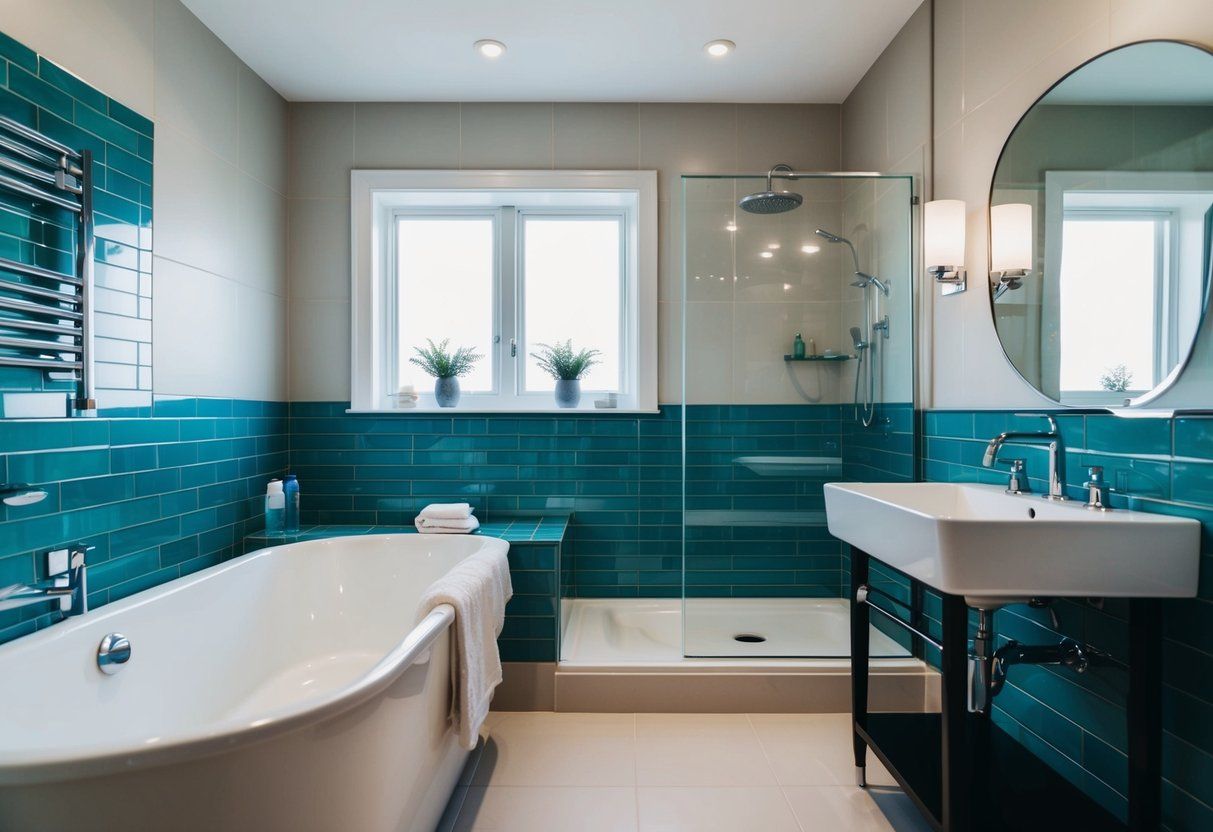
A bathroom renovation involves updating the existing space without changing the layout or structure.
A bathroom remodel involves more drastic changes that usually alters the room layout or functionality.
Renovations focus on cosmetic updates like new paint, fixtures or tiles.
Remodels go deeper where walls or plumbing is potentially moved to reconfigure the space.
Your choice between a renovation or remodel depends on your goals and budget. A renovation can give your bathroom a fresh look without major disruptions. A remodel allows for more significant changes but usually requires a larger investment. Consider what you want to achieve with your bathroom update to decide which approach is right for you.
Defining Renovation and Remodel
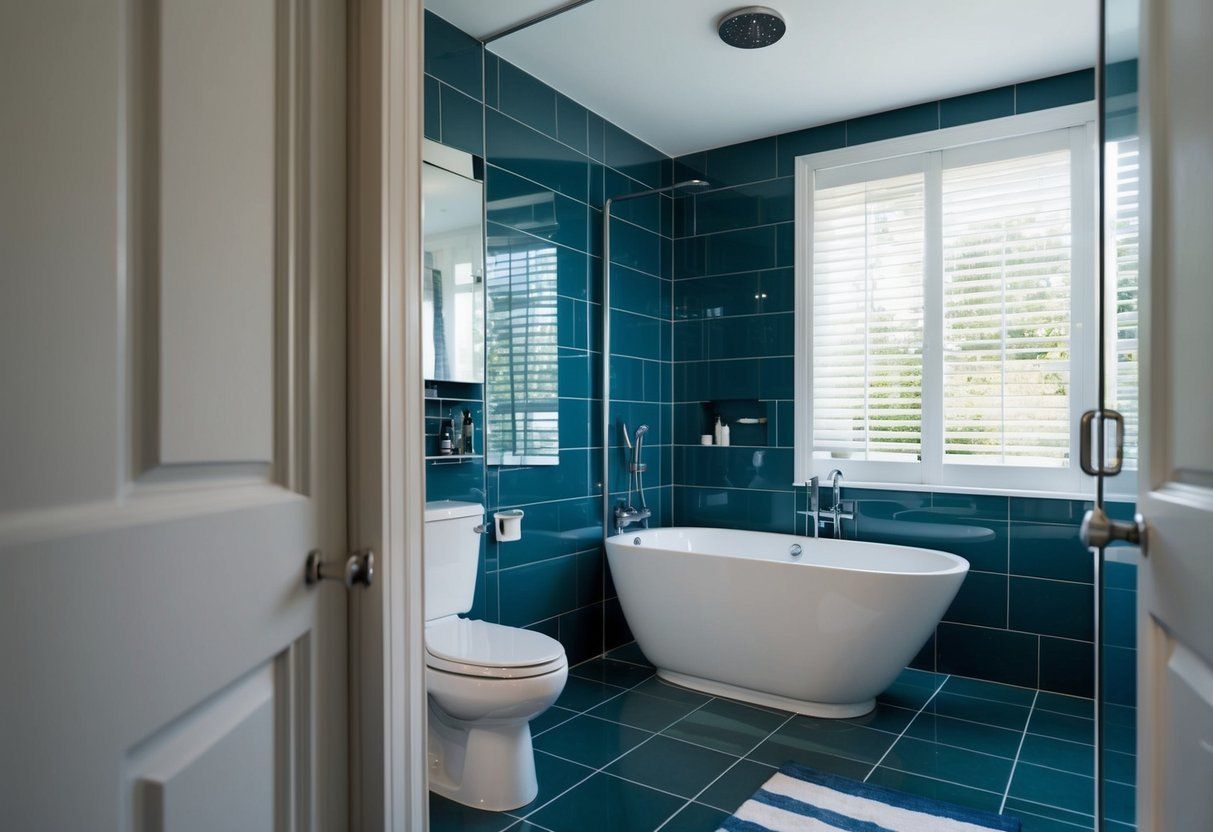
Renovations and remodels are two distinct approaches to improving your bathroom space. Each has unique characteristics and outcomes. Let's explore the key differences between these two types of projects.
Renovation: Refreshing the Current Space
A bathroom renovation focuses on updating and restoring existing elements. You might replace outdated fixtures or apply a fresh coat of paint. Renovations aim to enhance the room's appearance without altering its layout.
Typical renovation tasks include:
- Repainting walls
- Replacing cabinet hardware
- Updating light fixtures
- Installing new faucets
- Refinishing existing surfaces
Renovations are generally less expensive and time-consuming than remodels. They can breathe new life into your bathroom without major structural changes.
Remodel: Comprehensive Transformation
A bathroom remodel will bring about drastic changes. You can reconfigure the layout or change up the room functionality. Basically anything goes! This is where you get to reimagine your space to how you had wanted for so long.
Remodels can include (but definitely not limited to) removing walls and increase the overall footprint.
Common remodeling projects:
- Changing the floor plan
- Moving plumbing fixtures
- Adding new windows or skylights
- Installing a walk-in shower
- Upgrading electrical systems
Remodels are an opportunity to completely reimagine your bathroom. You can create a more functional space suited to your specific needs and preferences.
Cost and Investment Considerations
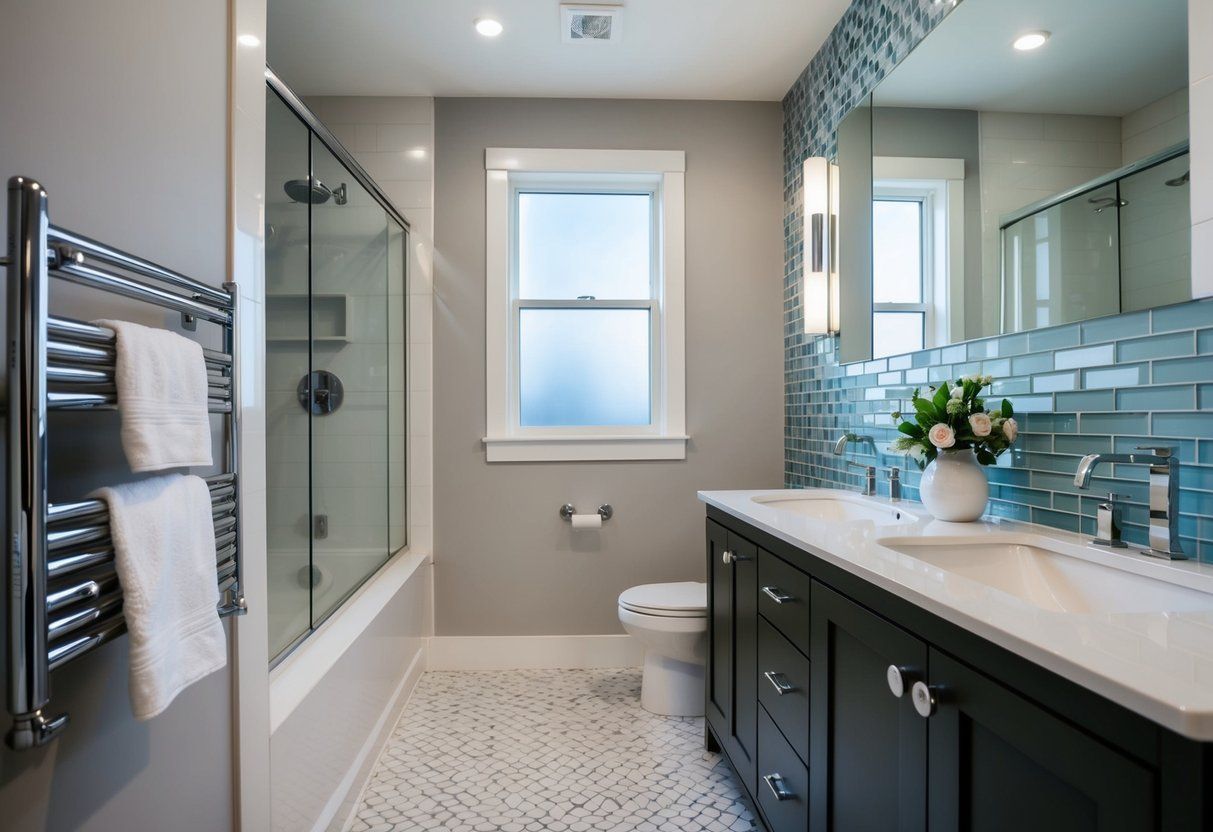
Bathroom updates involve careful financial planning and decision-making. The costs can vary widely based on the scope and choices you make.
Budgeting for Your Bathroom Update
Your bathroom renovation budget depends on several factors. The average national cost of a bathroom remodel is $11,533. Basic cosmetic changes may cost as little as $3,000. High-end remodels can reach $50,000 or more.
Key budget items include:
- Fixtures (toilet, sink, tub/shower)
- Flooring
- Lighting
- Cabinetry
- Countertops
- Plumbing
- Electrical work
Create a detailed list of must-haves and nice-to-haves. This helps prioritize expenses. Set aside 10-20% of your budget for unexpected issues that may arise during the project.
Calculating Return on Investment (ROI)
Bathroom remodels can offer a solid return on investment. The average ROI for a midrange bathroom remodel is about 60-70%. This means if you spend $10,000 you might recoup $6,000-$7,000 in added home value.
Factors affecting ROI:
- Quality of materials used
- Current home value
- Local real estate market
- Scope of renovation
Focus on improvements that add the most value. Updated fixtures and a fresh look tend to yield better returns than luxury additions.
The Role of Contractors and Labor
Hiring a skilled contractor can greatly impact your project's success. Labor costs typically make up 40-65% of the total renovation budget. You'll pay between $50 and $75 per hour for most tradespeople.
A general contractor manages:
- Project timeline
- Subcontractor coordination
- Permits and inspections
- Material ordering and delivery
Get multiple bids from only reputable contractors. Don't even waste time calling around price shopping. The good ones will make sure you get a fair deal. Check their references and past work. A skilled team can help you avoid costly mistakes and deliver quality results without any headaches. Keep it simple, balance cost with experience when making your selection and you'll be fine!